Choosing between WaterColor and Seaside can feel harder than it looks. Both sit along Scenic Highway 30A in Walton County, both offer beautiful coastal settings, and both attract buyers who want a home that delivers on lifestyle and long-term value. If you are trying to decide which community fits the way you actually want to live, this guide will help you compare the feel, layout, amenities, and ownership experience of each. Let’s dive in.
WaterColor vs. Seaside at a Glance
WaterColor and Seaside share the same 30A corridor, but they were built around different ideas. WaterColor is a 499-acre master-planned community established in 1999, with official materials noting that nearly half the land is dedicated to common area or preserve. Seaside is a smaller, more compact town that describes itself as the world’s first New Urbanist town.
That difference shapes almost everything you experience as an owner or visitor. WaterColor tends to feel broader, greener, and more resort-like. Seaside tends to feel more village-centered, more walkable, and more closely tied to its town square and public gathering spaces.
WaterColor Feel and Setting
WaterColor is designed around space, nature, and a larger amenity footprint. Official community materials describe tree-lined streets, walkways, Western Lake, the Gulf, and a private white-sand beach, all within a setting that borders a 220-acre coastal dune lake. The resort also notes 1,400 linear feet of beachfront, which adds to the sense of scale.
If you are drawn to a setting that feels polished but still connected to the natural landscape, WaterColor often stands out. The community’s longleaf pine forest backdrop, pebbled footpaths, and preserve areas create a quieter atmosphere than many buyers expect from a high-demand beach market. It feels organized and resort-forward, but not crowded in the same way a tighter town center can feel.
Who WaterColor Often Fits Best
WaterColor may be a stronger fit if you want:
- More physical space within the community
- A resort-style environment with private amenities
- A landscape-forward setting with preserve areas
- A more structured ownership experience
- A community with a larger number of homes and amenities
For many second-home buyers and investors, that combination can feel especially practical. You get strong lifestyle appeal, but also a community framework that is clearly defined.
Seaside Feel and Setting
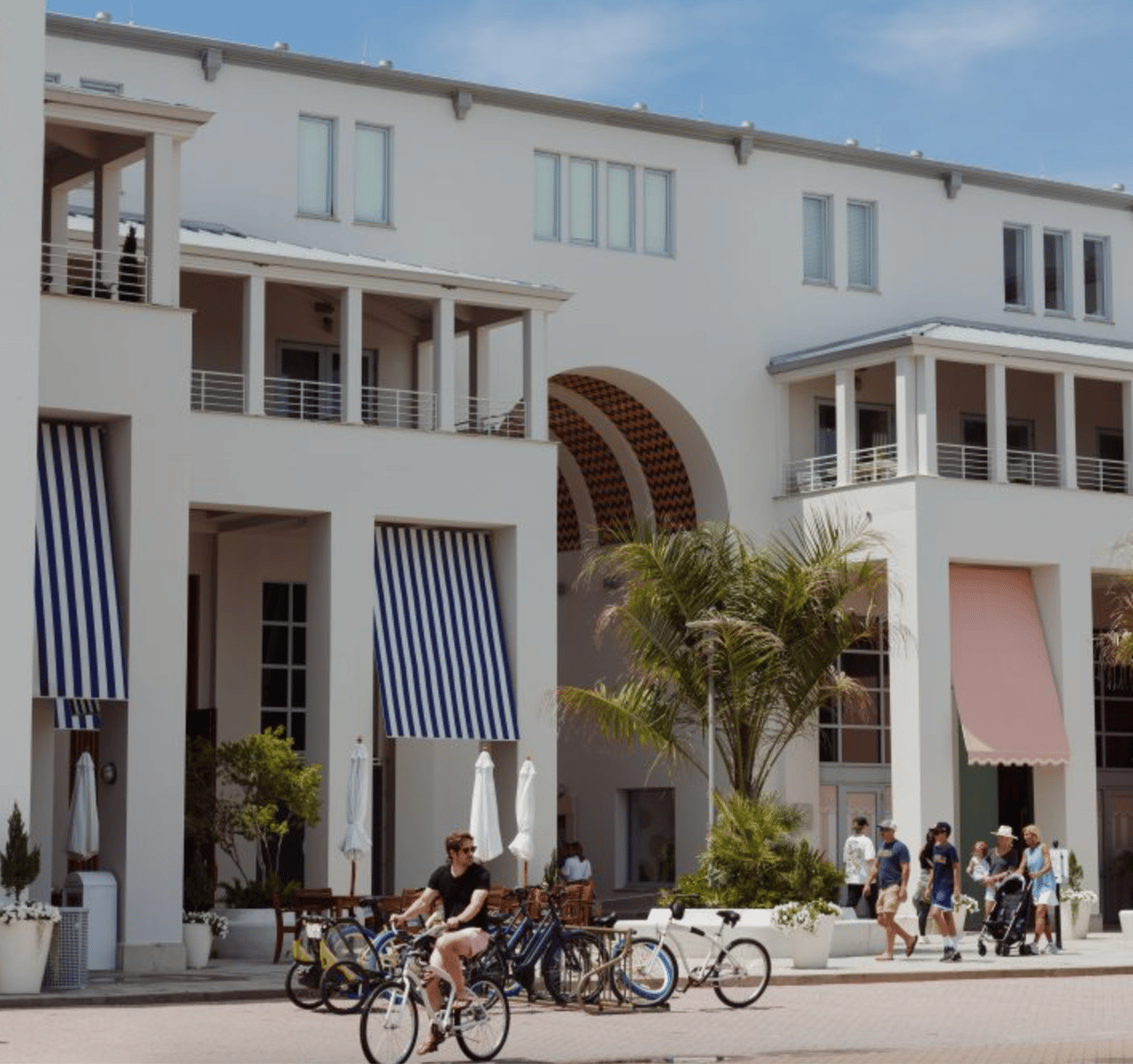
Seaside offers a different kind of 30A experience. Its official materials highlight brick-paved streets, white-sand footpaths, a central square, native landscaping, and homes built with indigenous materials and regional architectural traditions.
The result is a more intimate village feel. Seaside’s history notes that it began with two houses, one street, and one pavilion, and that early planning still shows in the compact layout today. If you want the strongest walk-everywhere environment on this stretch of 30A, Seaside often delivers that more clearly.
Who Seaside Often Fits Best
Seaside may be a stronger fit if you want:
- A compact, highly walkable town layout
- A central square with shopping and dining nearby
- A classic cottage and porch-forward streetscape
- A community with a strong architectural identity
- Daily life that feels centered around a village core
For buyers who care most about atmosphere and easy access to the heart of town, Seaside can feel instantly recognizable. Its identity is not just coastal. It is distinctly Seaside.
Architecture and Streetscape Differences
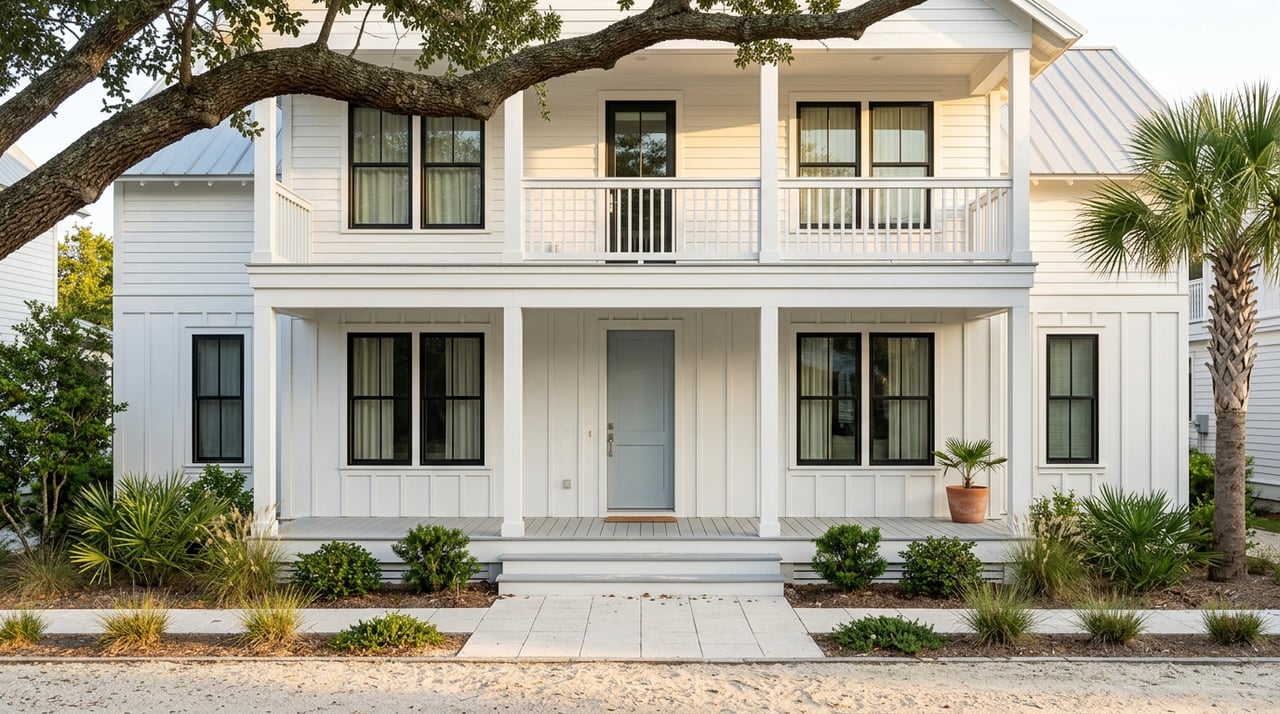
One of the biggest differences between WaterColor and Seaside is how each place looks and feels as you move through it. In WaterColor, the design language leans toward classic coastal architecture and Southern beach vernacular, framed by natural features like the dune lake and surrounding forest.
In Seaside, the visual identity is more iconic and more tightly tied to New Urbanist planning. Pastel cottages, front porches, narrower streets, and shared public spaces all play a bigger role in the experience. The architecture is not just background here. It is central to the way the community functions.
What Buyers Usually Notice First
In practical terms, many buyers notice this right away:
- WaterColor feels more spread out and resort-residential
- Seaside feels more compact and village-oriented
- WaterColor puts more emphasis on preserves, paths, and amenity zones
- Seaside puts more emphasis on streets, porches, pavilions, and Central Square
Neither approach is better across the board. It depends on whether you want more breathing room or more immediate energy around you.
Amenities and Beach Access
Amenities are another key area where the two communities differ. WaterColor offers the larger amenity package, with HOA materials noting ten community pools, including three at the Beach Club and two plus a lazy river at Camp WaterColor. Official materials also point to the Boathouse, tennis center, Town Center retail, and multiple dining outlets.
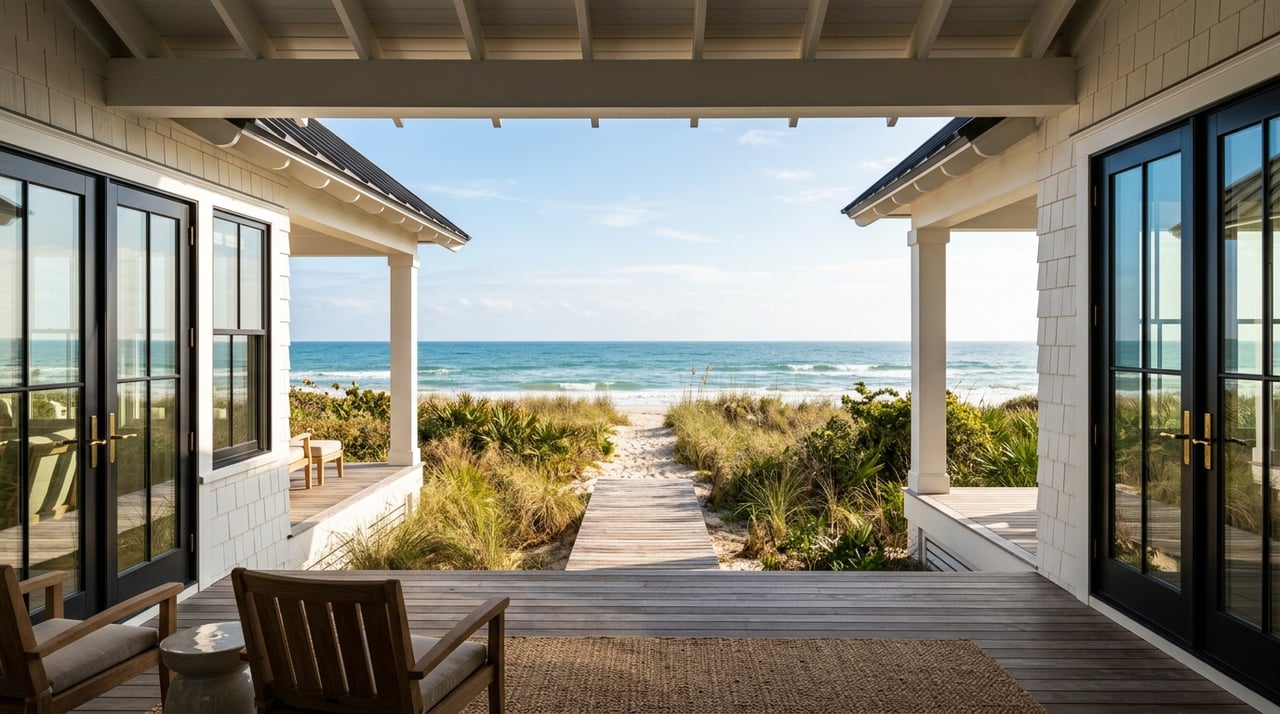
Beach access in WaterColor is also shaped by its private club structure. The WaterColor Beach Club is private to residents and WaterColor Inn guests, with wristband access, a dune crossover, and an ADA-accessible ramp on the west boardwalk.
Seaside’s amenity package is smaller, but its town-center activity is a major draw. Official materials state that Central Square is within a five-minute walk of all residences, making shopping and dining a daily part of the community experience rather than a separate amenity zone.
Seaside also has nine beachfront pavilions, each functioning as a distinct beach access point. The Coleman Pavilion serves as the central beach access point, and rental guest access is tied to the street where guests stay. Seaside also notes three community pools, including a heated lap pool.
Ownership and Rental Considerations
If you are thinking like both a homeowner and an investor, ownership structure matters. WaterColor’s HOA says the community includes about 1,021 completed homes, including 117 multi-family units in Town Center, with full build-out at 1,063 homes. The HOA also outlines a formal ownership framework, including Design Review Board oversight for construction and exterior modifications.
For short-term rental owners, WaterColor’s materials describe an annual certification requirement, rental portal registration, and certified guest limits. That does not automatically make it the right choice for every investor, but it does suggest a more explicit and structured rental process.
Seaside’s official materials describe a community of more than 300 homes, with its rental arm managing over 200 private homes. Seaside also includes some apartment-style and suite-style residences in the town center, including units above retail at 25 Central Square.
How the Ownership Experience Often Differs
Based on the official community descriptions, many buyers see the ownership choice this way:
- WaterColor often appeals to those who want a larger, more regulated community with private amenities and a clearer resort-managed feel
- Seaside often appeals to those who want a smaller, highly walkable setting with strong town-center activity and a cottage-focused identity
If rental use is part of your plan, comparing the specific rules, access patterns, and ownership requirements in both communities is important. Small details can have a real impact on how a property fits your goals.
Which 30A Community Fits You Best?
If your priority is privacy, a broader amenity package, and a more expansive resort setting, WaterColor will often feel like the stronger match. It offers more scale, more preserve-driven planning, and a more structured ownership framework.
If your priority is iconic 30A architecture, a dense walk-to-everything layout, and the energy of a central square, Seaside will often feel like the better fit. It offers a more intimate daily experience that keeps you close to the heart of town.
In other words, the real question is not which one is better. It is which one fits the way you want to spend your time, welcome guests, and think about long-term ownership.
For many buyers, that answer becomes clear only after looking at both through a lifestyle and investment lens. That is where local guidance can make the process much easier.
If you are comparing WaterColor and Seaside and want clear, market-specific guidance, Wayne West can help you evaluate the lifestyle, ownership, and investment differences so you can move forward with confidence.
FAQs
What is the main difference between WaterColor and Seaside?
- WaterColor is a larger master-planned community with a resort-style layout, while Seaside is a smaller New Urbanist town built around a compact, walkable village center.
Is WaterColor bigger than Seaside?
- Yes. Official materials describe WaterColor as a 499-acre community, while Seaside is a smaller and more compact town with more than 300 homes.
Which community has more amenities, WaterColor or Seaside?
- WaterColor has the larger amenity package, including ten community pools, the Beach Club, Camp WaterColor, the Boathouse, a tennis center, and Town Center retail and dining.
Which community is more walkable, WaterColor or Seaside?
- Seaside is generally the more walkable of the two, with Central Square and daily shopping and dining activity within a five-minute walk of residences.
Is Seaside or WaterColor better for short-term rental owners?
- That depends on your goals, but WaterColor’s owner materials describe a more explicit short-term rental certification and registration process, while Seaside’s rental experience is more closely tied to street-based access and rental partnerships.
How do beach access options differ in WaterColor and Seaside?
- WaterColor’s Beach Club access is private to residents and WaterColor Inn guests, while Seaside has nine beachfront pavilions, with the Coleman Pavilion serving as the central access point.