If you are thinking about buying in Old Seagrove, the first thing to know is this: it does not work like every other 30A neighborhood. Its appeal comes from history, beach proximity, mature trees, and a street pattern that predates many newer coastal communities. If you want to buy with confidence, it helps to understand how the area is laid out, what the county overlay now controls, and which due diligence questions matter most. Let’s dive in.
Why Old Seagrove Feels Different
Old Seagrove sits in Santa Rosa Beach in Walton County, and the area now falls under the Old Seagrove Neighborhood Plan overlay district, adopted on February 27, 2025. Inside the mapped area, that plan supersedes similar Land Development Code standards. For buyers, that means neighborhood-specific rules are a big part of the decision.
The county describes Old Seagrove as a single-family residential area bounded by Seaside to the west, County Road 395 to the east, the Gulf of Mexico to the south, and a Western Lake tributary to the north. Its development pattern began in the early 1930s with a classic grid layout and built-in beach access. That history still shapes what the neighborhood feels like today.
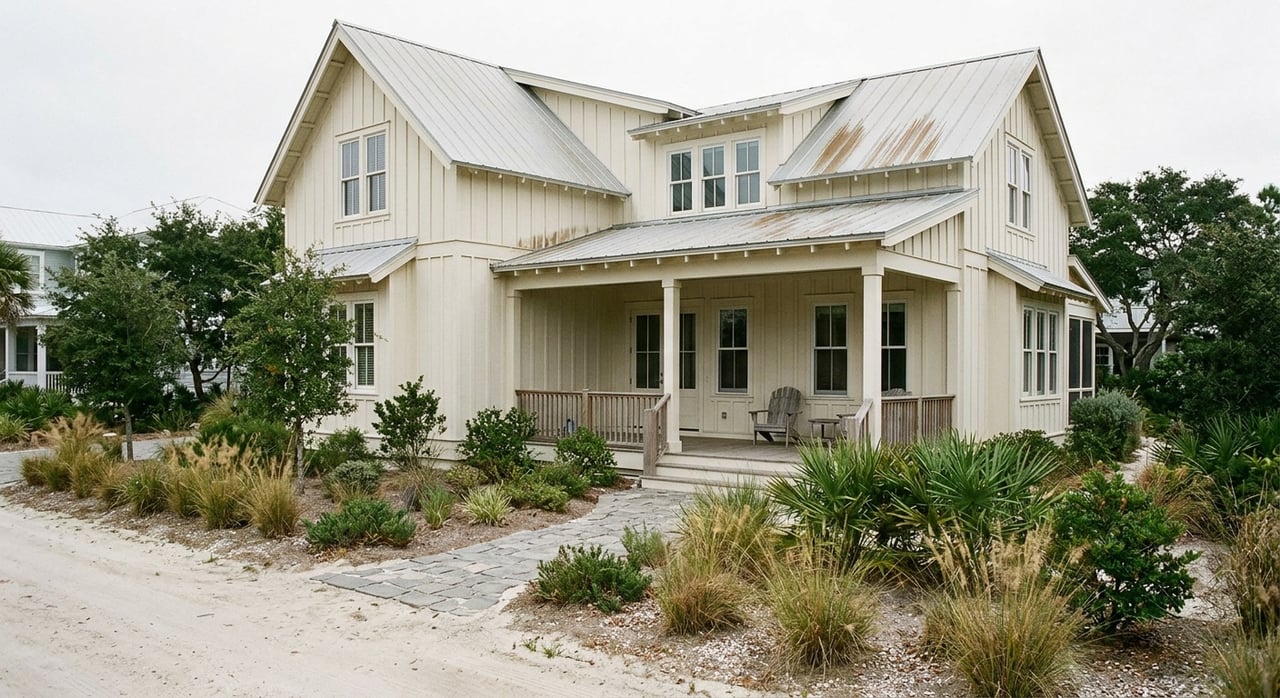
Unlike more uniform master-planned communities, Old Seagrove has an older coastal layout with established lots, mature vegetation, and a more organic streetscape. The county’s stated goal is to preserve the area’s authentic Old Florida character and existing tree canopy. If that is what you are drawn to, Old Seagrove can offer a very different buying experience along 30A.
What You Can Buy Here
The biggest headline for most buyers is simple: the primary allowed use within the overlay is single-family residential. According to the adopted county plan, approved plats in Old Seagrove are limited to single-family uses.
That matters whether you are buying a full-time residence, second home, or property with rental plans. The plan also states that short-term vacation rental units are allowed subject to county standards, but newly constructed STR-style uses may not exceed six bedrooms.
The county further says that no lot may be used for commercial, multi-family, or other non-residential uses, except for the existing commercial pocket at the northeast corner of Highway 30A and Highway 395. So if you are comparing Old Seagrove with nearby areas that offer a broader mix of uses, this is one of the clearest distinctions.
Lot Rules Buyers Should Understand
If you are considering renovations, additions, or future resale potential, lot standards deserve close attention. The county plan allows one dwelling unit per platted lot and does not allow reconfiguration of existing platted lots in a way that creates additional units.
Setbacks also shape what can realistically be built or expanded. The overlay applies a 20-foot front setback, 7.5-foot side setbacks, and a 15-foot rear setback, along with a 40-foot maximum building height. Those numbers can have a direct impact on design options, privacy, and how a home sits on the lot.
Tree protection is another practical issue. The plan requires a tree survey for clearing permits and encourages preservation of the canopy and native landscaping. In a neighborhood where mature trees are a big part of the setting, this can affect both project cost and what changes are possible.
Beach Access Is a Major Advantage
Beach access is one of the reasons buyers love Old Seagrove, but it is important to understand the details. The county identifies five pedestrian beach accesses within the neighborhood, and the plan notes that four recorded easements grant public ingress and egress from County Road 30A to the beach sands. Those access points are intended to remain open to the public and pedestrian in nature.
That supports the walkable beach lifestyle many buyers want. In practical terms, you may be able to reach the beach easily on foot from many homes, which is a major part of the neighborhood’s appeal.
At the same time, you should separate beach access from beach parking. They are not the same thing in Old Seagrove.
Beach Parking Is More Limited
According to Walton County’s beach access selection chart, the Old Seagrove accesses at Nightcap, Live Oak, Hickory, and Dogwood/Thyme show no parking. The nearby One Seagrove Place access lists only one parking space.
For buyers, this can be an important lifestyle and logistics issue. If you plan to walk or bike to the beach, Old Seagrove may fit very well. If you expect easy parking at every nearby access, you will want a more detailed, property-specific conversation before making assumptions.
There is also a new infrastructure update worth noting. In August 2025, Walton County Tourism announced it broke ground on the Seagrove Regional Beach Access at 3910 E. Co. Hwy. 30A, planned to include parking, ADA parking, bicycles, a restroom, an accessible dune walkover, and connection to the multi-use path. For future convenience, that is a meaningful project to keep on your radar.
Roads and Drainage Matter Too
Old Seagrove’s charm comes with real-world infrastructure considerations. Walton County said in 2023 that it launched an Old Seagrove community roadway and drainage project in response to concerns about dirt roads, drainage, and pedestrian facilities.
The options discussed by the county included asphalt roadways, one-way street changes, drainage improvements, and pedestrian facilities. If you care about road feel, neighborhood access, future construction activity, or stormwater handling, this is part of the buying picture.
This does not mean the area is a problem. It means Old Seagrove is an established coastal neighborhood, and established neighborhoods often come with infrastructure conversations that newer communities handled during initial buildout.
HOA and Covenant Questions to Ask
The county overlay sets district-wide development standards, but it does not answer every parcel-specific question. A property may also be subject to an HOA or recorded covenants, and those documents need to be verified during due diligence.
Florida Realtors advises buyers to review governing documents carefully and pay attention to fees, assessments, transfer fees, compliance inspections, and possible liens. In a neighborhood like Old Seagrove, where lot history and ownership patterns can vary, this step is especially important.
A smart question is whether the property is governed only by the county overlay, by private covenants, or by both. That answer can affect ownership costs, use restrictions, and how straightforward your closing process will be.
Contract Timing in Florida
Florida contracts are deadline-driven, so details matter early. The Florida Bar notes that the best time to involve a lawyer is before the purchase contract is signed because the contract controls major issues such as payments, possession, closing agent, title insurance, and survey matters.
Florida Realtors also notes that standard contract timing often uses calendar days, and common forms include a title-review period and a final walk-through on the day before closing or another agreed time. If you are buying from out of town, missing a deadline can create unnecessary stress.
As a general benchmark, Florida Realtors says the period from contract to closing is often about six to eight weeks, though the closing date is negotiable. That timeline can help you plan travel, inspections, insurance, and occupancy.
Best Questions Before You Buy
Old Seagrove rewards buyers who ask specific questions early. A few of the most important are:
- Is this property subject to an HOA, recorded covenants, or only the Old Seagrove overlay?
- What type of beach access does this home actually rely on?
- Does the lot support your intended remodel or addition under current setback, height, and tree rules?
- If you plan to rent the home, does the property fit county standards for short-term rental use?
- What are the exact inspection, title, survey, permit, and closing deadlines in the contract?
These are not small details. In Old Seagrove, they often shape whether a property is simply appealing or truly the right fit for your goals.
The Bottom Line on Buying in Old Seagrove
Old Seagrove tends to appeal to buyers who value beach walkability, established neighborhood character, and a less uniform coastal setting. It is a strong option if you appreciate mature trees, original street patterns, and a part of 30A that still reflects its earlier development history.
The key is to buy with a clear view of the rules and the property itself. Beach access, parking realities, lot limitations, tree protections, possible HOA documents, and contract timing all deserve careful review before you move forward.
If you are considering a purchase in Old Seagrove, working with a local advisor who understands both the lifestyle side and the practical side can make the process much smoother. If you want help evaluating a property, comparing options, or navigating the details of a 30A purchase, Wayne West is here to help.
FAQs
What makes Old Seagrove different from newer 30A communities?
- Old Seagrove has a historic grid layout dating back to the early 1930s, built-in beach access, mature tree canopy, and county rules designed to preserve its older coastal character rather than create a more uniform master-planned feel.
What property types are allowed in Old Seagrove?
- Within the overlay, the primary allowed use is single-family residential, and the county says approved plats are limited to single-family uses, with short-term vacation rentals allowed subject to county standards.
Can you build multiple units on one lot in Old Seagrove?
- No. The county plan allows one dwelling unit per platted lot and does not allow reconfiguration of existing platted lots to create additional units.
What are the main building limits in Old Seagrove?
- Buyers should pay attention to the 20-foot front setback, 7.5-foot side setbacks, 15-foot rear setback, 40-foot maximum building height, and tree survey requirements for clearing permits.
Does Old Seagrove have easy beach access?
- Old Seagrove has multiple pedestrian beach access points, but access and parking are different issues, so you should confirm how a specific property reaches the beach and what nearby parking options actually exist.
How long does it usually take to close on a home in Florida?
- Florida Realtors says the path from contract to closing is often about six to eight weeks, although the exact closing date is negotiable and depends on the contract terms.